
What to Look for on a Peptide Product Page Before You Buy
A peptide product page should do more than look polished. It should tell you exactly what the product is, how it is classified, whether it is authorized for sale in Canada, and what claims the seller is making about it. Health Canada classifies products case by case and looks at factors such as representation, intended use, composition, and format, so the wording and structure of a product page matter far more than most people realize.
That matters because Health Canada has repeatedly warned about unauthorized injectable peptide drugs sold online. In those warnings, the agency says most injectable peptides are regulated as prescription drugs in Canada, and unauthorized versions have not been assessed for safety, efficacy, and quality. Some of these products have been seized from businesses and sold through websites or social media, which makes careful product-page review essential before anyone trusts the listing.
For Canadian buyers, a good product page should help you answer one question very quickly: is this a clearly described, properly regulated product, or is it a vague page using scientific-sounding language to hide weak information? The more transparent the page is, the easier it is to judge whether the seller is being careful or simply trying to sound convincing.
Start with the product name and category
The first thing to check is the product name. A reliable page should use a clear, consistent product name that matches the label, the description, and any supporting documentation the seller provides. If the page uses one name in the headline, another in the description, and another in the images, that inconsistency is a warning sign because product classification depends partly on how the product is represented in the marketplace.
You should also look at the category the seller uses. Is it presented as a drug, a research item, a wellness product, or something else? In Canada, those category choices are not just marketing choices. Health Canada says the agency classifies products based on how they are represented, what they are intended to do, what they contain, and how they are presented. That means a page that blurts out “research” without explaining anything else is not giving you enough information.
A strong page will state the product category plainly and avoid ambiguity. If the item is a regulated drug, that should be obvious from the product information. If it is not a drug, the page should still explain what it is and what it is not, so the buyer is not left guessing. google
Check the authorization status first
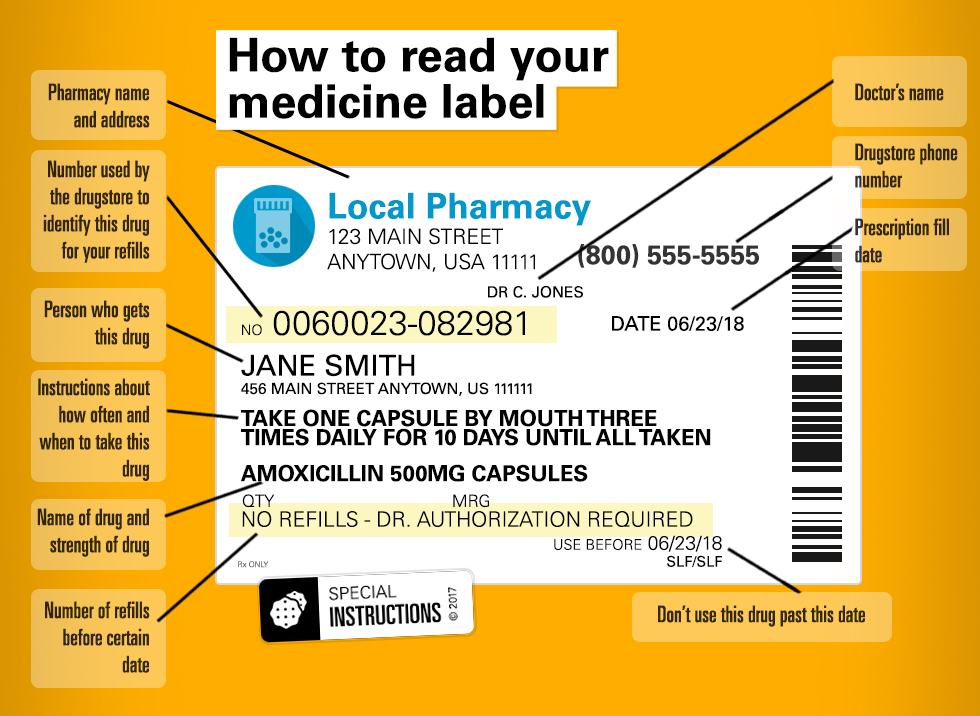
One of the most important things to look for is whether the product has any Canadian authorization details. Health Canada says a Drug Identification Number, or DIN, is an eight-digit number assigned to a drug product before it is marketed in Canada, and it appears on the label of prescription and over-the-counter drug products that have been evaluated and authorized for sale in Canada.
If a peptide product is being sold as a drug product in Canada, a buyer should look for a DIN or other clear authorization information. A product page that avoids this question altogether, or hides behind vague wording like “lab grade” or “premium” without a real regulatory status, gives you less confidence, not more. Health Canada’s regulatory pages make clear that authorization is tied to safety, efficacy, and quality assessment, not to marketing tone.
This is especially important because unauthorized injectable peptide products have been repeatedly flagged by Health Canada. The warnings are not about minor labeling issues. They state that unauthorized products may pose serious health risks and, in some cases, are illegal to sell in Canada. So if a product page does not clearly show status, the safe assumption is that you still need more verification.
Read the claims with a skeptical eye
The claims on a product page tell you a lot about whether the seller understands Canadian rules. Health Canada says that products offered for sale in Canada to treat or prevent diseases or symptoms are regulated as drugs, and prescription drug advertising is restricted. That means treatment-style claims are not harmless copywriting; they can change how the product is regulated and advertised.
If a page says the product is for anti-aging, weight loss, bodybuilding, athletic performance, injury recovery, sleep, mental focus, or general wellness, that should make you pause. Those are exactly the kinds of claims Health Canada has described in its warnings about unauthorized injectable peptide drugs sold online. Claims like that can indicate that the listing is drifting toward drug promotion rather than transparent product information.
A careful page should use factual language instead of promise language. It should describe the product clearly and avoid implying outcomes that are not authorized or not supported by real regulatory status. When claims are vague, aggressive, or outcome-driven, the page is trying to persuade before it has explained. That is exactly the opposite of what a trustworthy product page should do.
Look for batch, lot, or product traceability
A serious product page should make traceability easy. Even if the page does not show a full certificate, it should at least make it possible to connect the listing to a specific product identity, batch, or lot. Health Canada’s classification framework emphasizes composition and representation, which is one reason traceability matters so much in regulated products.
When batch or lot information is available, it helps you compare the webpage, the label, and any supporting documents. If that information is missing, the page may still be usable, but it is less transparent. A buyer should prefer sellers who make traceability visible instead of burying it in support tickets or email requests.
That does not mean every consumer needs to interpret technical lab data. It simply means a product page should make it possible to identify the exact item being sold, so the product is not just a generic marketing page with no real accountability.
Check the company information
The seller’s identity is part of the product page too. A trustworthy page should show the company name, contact details, and a real place to ask questions. Health Canada’s enforcement actions around unauthorized products show why this matters: when products are sold online without clear accountability, consumers have a harder time understanding who is responsible if something is wrong.
A product page that hides the business behind only a form, a Telegram handle, or a vague brand name is less reassuring than one that clearly identifies the company. This is especially important in Canada, where unauthorized injectable peptide products have been publicly seized and warned about by Health Canada. The more transparent the company details are, the easier it is to treat the site as a serious business rather than an anonymous storefront.
You should also check whether the company information is consistent across the site. The name on the product page, the checkout page, the footer, and the contact page should all match or at least clearly connect to each other. Inconsistent company details are a warning sign that the site may not be carefully managed.
Look for documentation, not just marketing text
A strong peptide product page should do more than describe the product in promotional language. If the seller provides documentation, it should be easy to find and clearly labeled. In the Canadian regulatory context, documentation matters because authorization is tied to safety, efficacy, and quality assessment, not to appearance or persuasive wording.
If the page offers a certificate of analysis, batch sheet, or other quality document, check whether it matches the product name and batch details on the page. A document that cannot be linked to the exact item being sold does not help much. Transparency is strongest when the webpage and the supporting documents point to the same product in the same way.
If no documentation is shown at all, that is not automatically proof that the product is invalid. But it does mean you have less evidence to work with. In that situation, the page should at least make product details and authorization status very clear so the buyer is not left relying on marketing alone.
Read the storage information carefully
Storage instructions are a major trust signal. Health Canada says products should be stored according to the conditions described on the label, and that temperature, humidity, and light controls should be in place where required. That means a page that ignores storage entirely is leaving out a genuinely important part of product care.
A good product page should say whether the product needs refrigeration, protection from light, or any other special handling. If the page does not show storage guidance, you should not assume the seller simply forgot. It may mean the page was written quickly or with too little attention to product stability and handling.
For buyers, storage information is useful because it helps you judge whether the seller understands the item they are offering. For site owners, it is useful because it shows that the product page is built around product care, not just around sales copy.
Look for shipping details that make sense
Shipping matters because a product can be affected before it ever reaches you. Health Canada’s guidance on storage and transportation says temperature control matters during storage and transport, and it expects proper control of conditions during warehousing and distribution. That makes shipping information relevant to the quality conversation, not just to delivery speed.
A serious product page should explain how the seller ships the item, what packaging is used, and whether the product needs any special transport conditions. If the site says nothing at all about shipping conditions, that may be acceptable for a simple consumer item, but it is less reassuring for a product whose stability can be affected by handling.
You should also look for consistency between the shipping promise and the storage claim. If the page says the product needs strict temperature control but offers no details on how that is achieved during transit, the page is incomplete. Health Canada’s storage guidance makes clear that conditions must be maintained in practice, not just mentioned in theory.
Watch the return, refund, and support policies
Product pages are not only about the item itself. They also tell you how the company handles problems. A trustworthy seller should have clear return, refund, privacy, and contact information available from the product page or nearby navigation. While these policies do not prove that a product is authorized, they do show whether the business has bothered to build a real customer experience around the sale.
This is especially useful if the listing is for a regulated or sensitive product. If a company will not explain what happens when a package is delayed, damaged, or mislabeled, that is a sign to be careful. The more complex the product, the more important support policies become.
A weak support setup often goes hand in hand with weak transparency elsewhere on the page. If the seller is vague about who they are, where they ship from, and how to contact them, the product page is probably not doing enough to earn trust.
Spot the biggest red flags
One major red flag is a page full of bold health promises and no clear authorization status. Health Canada has warned that unauthorized injectable peptide products are often promoted for anti-aging, weight loss, bodybuilding, athletic performance, injury recovery, sleep, mental focus, or general wellness. Those are not neutral product descriptions; they are marketing claims that require very careful scrutiny.
Another red flag is the absence of a DIN where one would normally be expected for an authorized drug product. A DIN is a clear signal that a drug has been evaluated and authorized for sale in Canada. If the page talks like a drug listing but refuses to show regulatory status, that mismatch should make you cautious.
A third red flag is anonymous or inconsistent company information. When a website avoids clear business identity, the seller may be making it hard for buyers to verify who is behind the listing. That is not what a careful, Canadian-facing product page should look like.
A simple way to judge the page quickly
A fast review can save you time. First, check the product name and category. Second, look for authorization or DIN information. Third, read the claims and see whether they sound like treatment promises. Fourth, confirm that company details are visible. Fifth, check for documentation, storage instructions, and shipping information. Health Canada’s classification approach supports this kind of structured review because it depends on representation, intended use, composition, and format.
If those five points are clear and consistent, the page is at least trying to be transparent. If several of them are missing, vague, or contradictory, that is a sign to slow down and look for more information before trusting the seller.
Why this matters for Canadian buyers and site owners
For buyers, a good product page reduces confusion and makes it easier to tell whether the product is properly described. For site owners, a good product page reduces the risk of making claims that create regulatory trouble. Health Canada’s warnings show that peptide-related products are not a casual category in Canada, especially when injectable products and health claims are involved.
That means the product page should be built around clarity, not hype. The best pages are the ones that make it easy to understand the product, the company, the regulatory position, and the handling instructions. In a field where wording can change how a product is interpreted, careful presentation is not optional.
Final thoughts
The best peptide product page is the one that answers your questions before you have to ask them. It should clearly identify the product, show its category, explain whether it is authorized for sale in Canada, avoid unsupported treatment claims, and provide practical details like storage, shipping, and support. Health Canada’s classification and advertising guidance makes clear that these details matter because products are judged by their representation, intended use, composition, and regulatory status.
If a page is vague, aggressive, or oddly secretive, do not treat the design as proof of quality. In the peptide space, a pretty page is not enough. The real test is whether the page is transparent, consistent, and aligned with Canadian regulatory expectations.
⸻
FAQ
What is the first thing to check on a peptide product page?
Start with the product name, category, and authorization status. In Canada, product classification depends on representation, intended use, composition, and format, and authorized drug products should have clear regulatory information such as a DIN when applicable.
Should a peptide product page show a DIN?
If the product is being sold as an authorized drug product in Canada, a DIN is a key identifier because Health Canada assigns it before the product is marketed and it appears on the label of authorized prescription and over-the-counter drug products.
Why are health claims on peptide pages a problem?
Because Health Canada says products offered for sale to treat or prevent diseases or symptoms are regulated as drugs, and prescription drug advertising is restricted. Claims about anti-aging, weight loss, bodybuilding, or athletic performance are specifically noted in Health Canada warnings about unauthorized injectable peptide drugs.
What kind of product page is the safest to trust?
A page that is clear about the product name, seller identity, regulatory status, documentation, storage, and shipping details, while avoiding unsupported treatment claims. Health Canada’s classification framework and enforcement warnings both point toward transparency as the key trust signal.
Why do storage and shipping details matter?
Because Health Canada says storage conditions such as temperature, humidity, and light must be controlled according to the label, and transport conditions matter too. A product page that ignores these details is missing an important part of product care.
What is the biggest red flag on a peptide page?
The biggest red flag is a page that makes strong health promises while hiding regulatory status. Health Canada has warned repeatedly about unauthorized injectable peptide products sold online, many of which are promoted for outcomes like anti-aging, weight loss, bodybuilding, and performance enhancement.