
How to Choose a Peptide Supplier in Canada
Choosing a peptide supplier in Canada is mostly a question of clarity, authorization, and accountability. Health Canada classifies products case by case under the Food and Drugs Act, using factors such as representation, intended use, composition, and format, so the name on the homepage is not enough to tell you what a product legally is.
That is important because Health Canada has warned consumers about unauthorized injectable peptide products sold online. In those advisories, the agency says most synthetic injectable peptides are regulated as prescription drugs in Canada, and unauthorized versions have not been assessed for safety, efficacy, and quality. Health Canada also says selling unauthorized health products in Canada is illegal.
So the best supplier is not the one with the flashiest branding. It is the one that makes it easy to verify what the product is, whether it is authorized, how it is shipped, what documentation exists, and whether the site stays within Canada’s advertising rules.
What a good supplier should make clear first
The first thing to look for is a plain product description. A trustworthy supplier should make the product’s category easy to understand instead of hiding behind vague marketing wording. Health Canada says classification depends on representation, intended use, composition, and format, which means the wording on the site matters.
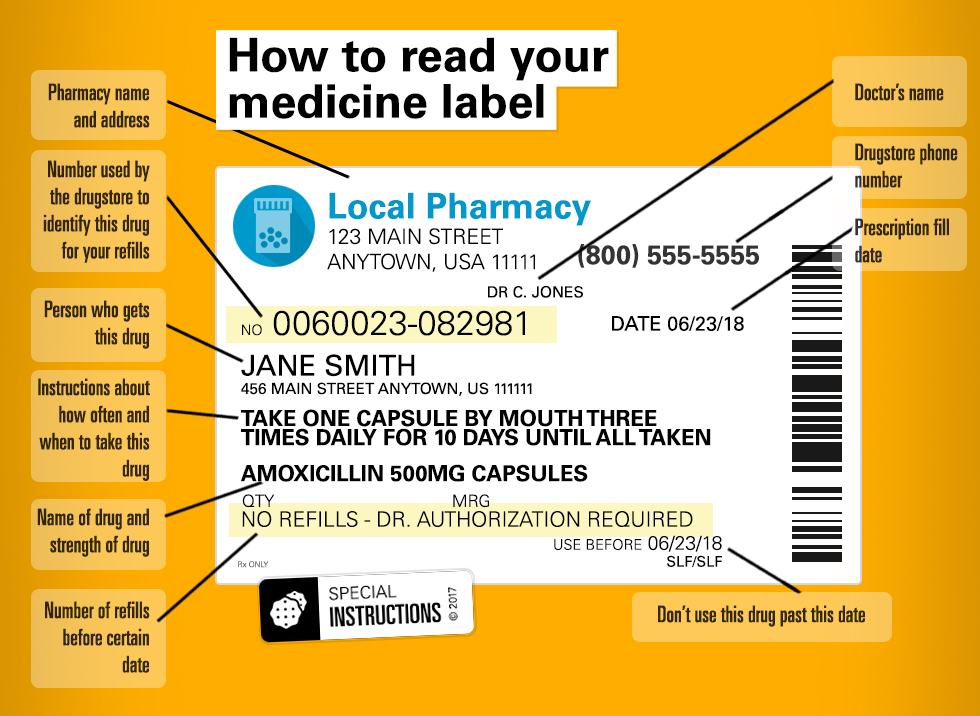
If the supplier is selling an authorized drug product, that should be visible. Health Canada says a Drug Identification Number, or DIN, is an eight-digit number assigned before a drug is marketed in Canada, and it appears on the label of authorized prescription and over-the-counter drugs. A DIN also tells you the product has passed a review of its formulation, labeling, and instructions for use.
If a peptide site talks like a drug store but never shows authorization details, that is a warning sign. Health Canada says a drug product sold in Canada without a DIN is not in compliance with Canadian law.
Check whether the product is authorized for sale in Canada
A reliable supplier should make authorization status easy to verify. Health Canada states that only health products authorized for sale in Canada may be advertised, and it keeps the Drug Product Database for finding drugs authorized for sale by Health Canada.
That means the supplier should not rely on vague phrases like “premium grade,” “lab grade,” or “best in Canada” as substitutes for regulatory status. A page can sound professional and still tell you nothing about whether the product is authorized. If the item is a drug, the supplier should be able to point you to the DIN or to a record in the Drug Product Database.
For a buyer, the simplest habit is this: if a product is being presented as a health product, ask whether it is actually authorized in Canada. Health Canada says authorized products can be found in its database, which is updated nightly. google
Be careful with product claims
Product claims are one of the biggest clues to supplier quality. Health Canada says direct-to-consumer marketing of prescription drugs is restricted. For any drug on the Prescription Drug List, consumer advertising is limited to name, price, and quantity.
That means a supplier should not be using disease claims, treatment claims, or therapeutic promises to sell a peptide product to the general public if the item is a prescription drug. Health Canada also says only authorized health products may legally be advertised in Canada.
For Canadian buyers, that creates a very practical test: if the site is full of bold promises about body changes, performance, recovery, wellness, or other outcomes, stop and check whether those claims are actually allowed for the product being sold. Health Canada’s warnings about unauthorized injectable peptide products specifically note that they have been promoted online for anti-aging, weight loss, bodybuilding, athletic performance, injury recovery, sleep, mental focus, and general wellness.
A careful supplier stays factual. It explains the product category, shows its authorization status if applicable, and avoids copying the style of drug promotion when it is not permitted.
Prefer suppliers that show traceability
Traceability matters because it tells you whether the supplier understands accountability. Health Canada says a DIN uniquely identifies the manufacturer, product name, active ingredient, strength, pharmaceutical form, and route of administration. It also says the DIN helps with recalls, inspections, and quality monitoring.
That is useful for buyers because it means a legitimate product should not feel anonymous. The supplier should ideally show product identity clearly and, where applicable, provide a way to cross-check the item in official records. Health Canada’s Drug Product Database is the place to confirm whether a product is authorized for sale.
If a supplier cannot connect its site listings to any official record, and it does not provide a DIN or other authorization reference, that is a stronger reason to look elsewhere. Health Canada has already warned that unauthorized injectable peptide products may pose serious health risks and are illegal to sell in Canada.
Ask for documentation, not just design
A well-designed website is not the same thing as a well-documented supplier. When you are choosing a peptide supplier in Canada, documentation should matter more than branding. Health Canada’s authorization framework is built around safety, efficacy, and quality assessment, not visual presentation.
For drug products, the DIN is one of the first documents or identifiers you should expect to see. If the supplier is selling an authorized drug, the DIN should be visible on the label and should be verifiable through Health Canada’s systems.
For products that are not authorized drugs, the site should still explain clearly what the item is and what evidence is available. A supplier that is serious about trust will usually make it easy to find product details, regulatory notes, and support information rather than forcing you to email for basic facts. That kind of openness is especially important in a market where Health Canada has repeatedly taken action against unauthorized online sales.
Choose suppliers that use clear, lawful site language
The way a supplier talks is almost as important as what it sells. Health Canada says health product advertising can happen through print, the Internet, or broadcast, and only products authorized for sale may legally be advertised in Canada.
That means the site language should stay within the rules. If the product is a prescription drug, consumer-facing claims are tightly limited. If the site is making indirect claims through testimonials, disease references, or before-and-after style persuasion, that is a red flag because it may be trying to market a product in a way that is not allowed. Health Canada’s prescription-drug advertising page specifically highlights how restricted consumer marketing is for prescription products.
A supplier that is careful about compliance will usually be careful about wording too. You should see precise product descriptions, cautious language, and clear distinctions between educational content and promotional content.
Review shipping and handling details
Shipping is a serious part of supplier quality, not a footnote. Health Canada’s guidance on drug products and DINs says products should be stored according to label conditions, and that temperature, humidity, and light controls need to be in place where required.
That means a good supplier should explain how products are packaged and shipped in a way that matches the product’s storage requirements. If a product needs special handling, the site should say so clearly. If the seller gives no shipping or storage explanation at all, then the buyer has less information about how the product is being protected in transit.
For Canadian buyers, this is particularly important because shipping delays, packaging choices, and storage exposure can affect product condition before the item arrives. A serious supplier should therefore give practical shipping details rather than relying on generic reassurances.
Look at the support experience
Good support is another signal of a serious business. A trustworthy supplier should provide a clear way to contact the company, ask questions, and resolve order problems. While support quality is not the same thing as regulatory authorization, it does help you distinguish an established business from a low-accountability storefront.
This matters because Health Canada’s enforcement actions around unauthorized injectable peptides show that consumers can easily encounter products online that are not authorized and may pose significant risk. The more transparent and reachable the supplier is, the easier it becomes to judge whether the business is operating responsibly.
A good test is simple: can you find a company name, a contact method, product pages, policy pages, and a way to verify the product? If those elements are missing, the supplier is not giving you enough reason to trust the site.
Prefer suppliers that help you verify the product in official records
One of the strongest signs of a legitimate supplier is whether it encourages verification. Health Canada provides the Drug Product Database for authorized drugs, and it says the database includes availability information and product monographs for human drugs.
If the supplier claims a product is authorized, the website should make it easy for you to confirm that claim. The DIN fact sheet explains that the DIN is assigned only after a drug has been authorized and that a drug sold without a DIN is not in compliance with Canadian law.
A supplier that is confident in its products should not avoid this kind of verification. In contrast, a seller that discourages checking official records or refuses to provide any reference point gives you less reason to trust the listing.
Watch for the most common warning signs
One warning sign is a site that sells peptide products with strong health promises but no visible authorization information. Health Canada has warned repeatedly about unauthorized injectable peptide drugs sold online, and those products were described as serious health risks.
Another warning sign is a page that talks like a prescription-drug advertiser while ignoring the restrictions on consumer advertising. Health Canada says consumer marketing for prescription drugs is restricted to name, price, and quantity.
A third warning sign is a site that cannot connect the product to a DIN, a database record, or any other official authorization detail when that should exist. Health Canada says authorized drug products carry a DIN and can be checked in the Drug Product Database.
A fourth warning sign is a business that looks anonymous or hard to contact. Because unauthorized products are illegal to sell in Canada and may pose health risks, accountability matters.
What a trustworthy supplier usually looks like
A trustworthy supplier is usually the one that seems a little less dramatic and a lot more precise. It tells you what the product is, whether it is authorized, how to verify it, what the shipping and storage expectations are, and what support exists if you need it. Those are the same areas Health Canada emphasizes when it talks about classification, authorization, DINs, advertising, and unauthorized products.
If the site is serious, it will feel orderly. Product names will match. Claims will stay controlled. Contact details will be visible. Storage and shipping notes will make sense. And where a product is authorized, the DIN and official database trail will be easy to check.
That kind of supplier is easier to trust because it reduces uncertainty. It does not ask you to believe the branding; it gives you facts you can confirm.
A simple buyer checklist
Before choosing a peptide supplier in Canada, ask these questions: Is the product clearly identified? Is the legal status visible? Can I find a DIN or verify the product in Health Canada’s database if it is an authorized drug? Are the claims restrained and compliant? Does the company give shipping, storage, and support details?
If the answer to several of those questions is no, the safer move is to keep looking. Health Canada has already warned Canadians not to buy unauthorized injectable peptide products because they may pose serious health risks and are illegal to sell in Canada.
If the answer is yes, you still have to stay careful, but you are dealing with a far more transparent supplier. In a market like this, transparency is the foundation of trust.
Final thoughts
The best peptide supplier in Canada is not the loudest one. It is the one that makes compliance and verification easy. Health Canada’s rules are clear: only authorized products may be advertised, prescription-drug advertising to consumers is tightly restricted, DINs identify authorized drug products, and unauthorized injectable peptides sold online have been flagged as risky and illegal.
So when you are choosing a supplier, focus on the facts you can verify. Look for authorization, traceability, clear language, storage and shipping details, and real support. A site that gives you those things is giving you a much better reason to trust it.


⸻
FAQ
What should I check first when choosing a peptide supplier in Canada?
Check whether the product is clearly identified and whether its authorization status is visible. Health Canada classifies products based on representation, intended use, composition, and format, and authorized drug products should be verifiable through a DIN or the Drug Product Database.
Why is a DIN important?
A DIN is a computer-generated eight-digit number assigned by Health Canada to a drug product before it is marketed in Canada. It identifies an authorized drug product and tells you the product has been reviewed for formulation, labeling, and instructions for use.
Can a supplier advertise prescription peptides to consumers in Canada?
Only in a very limited way. Health Canada says direct-to-consumer marketing of prescription drugs is restricted to name, price, and quantity.
How can I confirm whether a drug is authorized in Canada?
Use Health Canada’s Drug Product Database. Health Canada says the database is updated nightly and contains drugs authorized for sale by Health Canada.
Are unauthorized injectable peptides legal to sell in Canada?
No. Health Canada has said that unauthorized injectable peptide products have not been assessed for safety, efficacy, and quality and that selling unauthorized health products in Canada is illegal.
What is the biggest red flag on a supplier website?
A supplier that makes strong health claims but does not clearly show authorization status or a verifiable product trail. Health Canada’s warnings and advertising rules make that a serious concern.