
Research Peptides vs Prescription Drugs Canada: What Buyers and Website Owners Need to Know
The phrase “research peptides” is common online, but in Canada it is important to understand what that phrase does and does not mean. Health Canada does not classify products just by catchy marketing wording. Instead, product classification depends on the product’s representation, purpose, composition, and format, and products are reviewed case by case under the Food and Drugs Act and related regulations.
That matters because many peptide products are marketed in ways that sound scientific but do not clearly explain how the product is regulated. At the same time, Health Canada has warned that most injectable peptides are regulated as prescription drugs in Canada, and unauthorized injectable peptide products sold online may pose serious health risks and can be illegal to sell in Canada.
For Canadian buyers, the main question is not simply whether a product mentions peptides. The real question is whether the product is a regulated drug, whether it has been authorized for sale, and whether the claims on the website match what the product is legally allowed to be sold for.
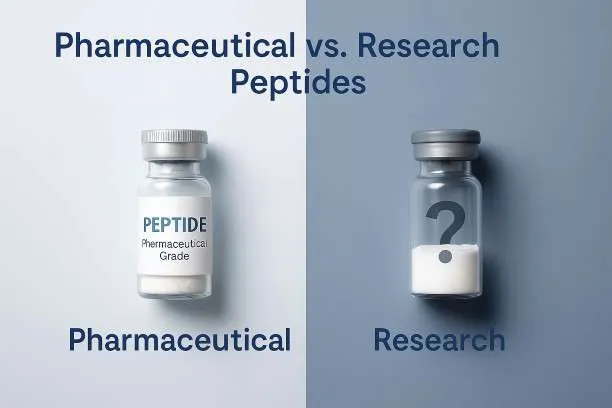
What “research peptides” usually means online
In online commerce, “research peptides” is often a marketing label used to describe peptide products that sellers want to separate from prescription drug language. Health Canada’s classification guidance shows that product classification is based on the actual characteristics of the product, not just the wording used in a listing. The agency looks at claims, intended use, composition, and format.
So if a seller uses the phrase “research peptides,” that phrase alone does not tell you the product’s legal status. A peptide product sold with claims about treating disease, changing body functions, or producing health effects can still be regulated as a drug under the Food and Drugs Act. Health Canada states that when a product is offered for sale in Canada to treat or prevent diseases or symptoms, it is regulated as a drug.
That is why the phrase “research peptides” should be treated as a description you still have to verify, not as proof that the product sits outside drug regulation. The classification depends on how the product is represented and intended to be used. google
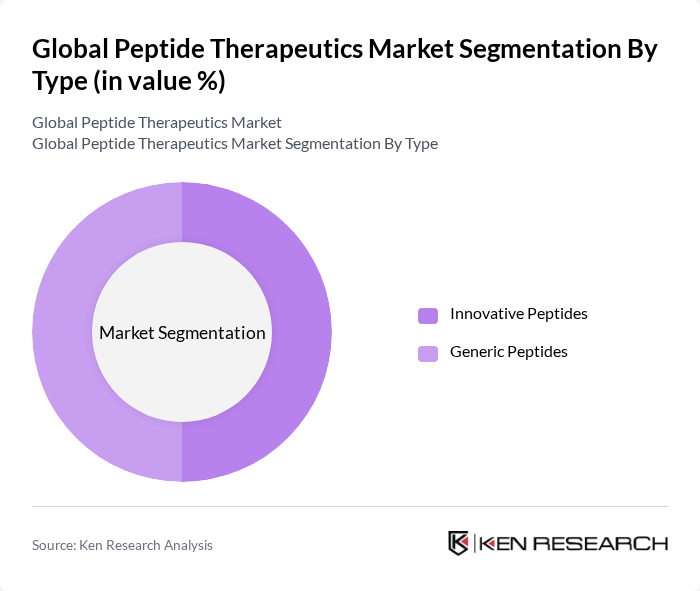
Why prescription status matters in Canada
Health Canada maintains a Prescription Drug List, which is a list of medicinal ingredients that, when found in a drug, require a prescription. The list replaced the old Schedule F system, and Health Canada states that these changes did not alter how sale, advertising, or import of prescription drugs are regulated in Canada.
In practical terms, this means a peptide product may be a prescription drug if its medicinal ingredient appears on the Prescription Drug List or if it is otherwise classified as a prescription product. Health Canada’s guidance on prescription status explains that products are assessed through an evidence-based process before prescription status is assigned or changed.
For website owners, this is important because prescription drugs cannot be marketed the same way as ordinary consumer products. Health Canada says direct-to-consumer advertising should not be allowed for prescription drugs, and it also warns that products subject to the prohibitions in section 3 of the Food and Drugs Act should not be advertised directly to consumers.
What a DIN means
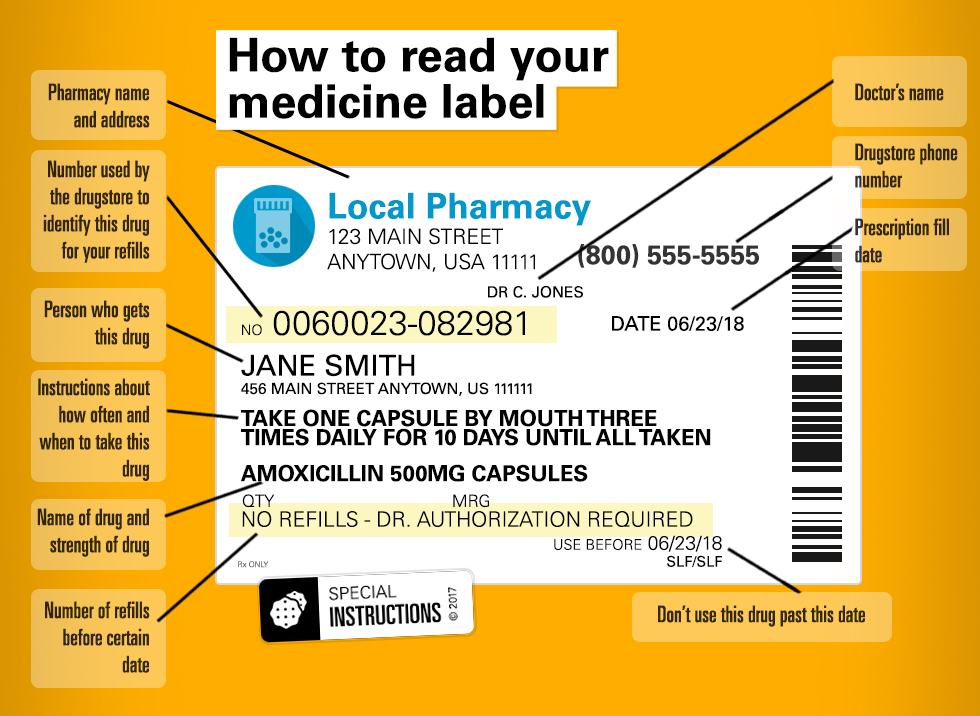
A common sign that a drug product has been reviewed and authorized in Canada is a Drug Identification Number, or DIN. Health Canada explains that a DIN is an eight-digit number assigned to a drug product before it is marketed in Canada, and it is located on the label of prescription and over-the-counter drug products that have been evaluated and authorized for sale in Canada.
Health Canada’s DIN guidance also says that once a drug has been authorized for sale in Canada, Health Canada assigns a DIN under the Food and Drug Regulations, which permits the manufacturer to market the drug in Canada. For some new drugs, a Notice of Compliance is also required.
That means a consumer seeing peptide products online should look carefully for authorization details. A real Canadian drug product should not be presented vaguely. It should have a traceable regulatory status, and the site should avoid implying that a product is authorized unless it actually is.
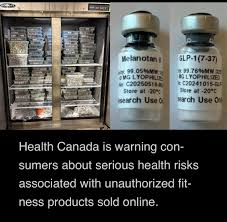
Why injectable peptides are a special concern
Health Canada has issued multiple warnings about unauthorized injectable peptide products sold online or seized from businesses in Canada. In those warnings, the agency says that most injectable peptides are regulated as prescription drugs in Canada and that unauthorized products have not been assessed for safety, efficacy, and quality. Health Canada also states that selling such unauthorized products in Canada is illegal.
Health Canada also notes that these products are often promoted online and on social media for claims such as anti-aging, weight loss, bodybuilding, athletic performance, injury recovery, sleep, mental focus, or general wellness. Those promotional themes are a major reason the agency is concerned: they suggest health outcomes that may not be authorized for the product.
For buyers, the lesson is simple. If an injectable peptide is being sold with strong health promises and no clear authorization status, that is a serious red flag. For site owners, the lesson is even clearer: avoid language that suggests treatment, prevention, or performance outcomes unless the product is legitimately authorized for that exact purpose. bing
How Health Canada decides what a product is
Health Canada says classification is the first step in any regulatory process, and it bases classification on the definitions in the Food and Drugs Act and related regulations. The agency states that classification is done case by case and that key criteria include representation, intended use, composition, and format.
That is why a peptide product cannot be judged by name alone. The same molecule may be discussed in research, in a regulated drug context, or in a different product line depending on how it is represented and sold. A product page with treatment claims will be analyzed differently from a page that stays within a non-therapeutic or research-only framework.
This also explains why the term “research peptides” is not a magic shield. If the listing, images, wording, or checkout language make the product look like a drug sold for body or health effects, Health Canada’s classification criteria point toward a drug analysis, not a marketing label analysis.
What buyers should check on a peptide website
A Canadian buyer should check four things first: the product description, the claimed purpose, the authorization status, and whether the listing uses prescription-style or treatment-style language. Health Canada says products sold to treat or prevent disease or symptoms are regulated as drugs, and authorized drug products should have a DIN and clear regulatory information.
You should also look at whether the site is being careful with its language. If a page claims that a product changes body functions or delivers wellness outcomes in a way that sounds like treatment, it may be crossing into drug advertising territory. Health Canada’s guidance on prescription drugs and direct-to-consumer advertising makes that distinction important.
A responsible site should be transparent about what the product is, what category it belongs to, and whether any authorization details exist. That kind of clarity helps users make informed decisions and reduces the risk of confusion about legal status.
What website owners should avoid
If you run a peptide site in Canada, you should avoid making your homepage or product pages look like a prescription-drug storefront unless the products are truly authorized prescription drugs. Health Canada has been explicit that unauthorized injectable peptide drugs are being sold online, that many are prescription drugs, and that they may pose serious risks.
You should also avoid direct claims that a peptide treats, prevents, or cures anything unless that is specifically authorized. Health Canada says products sold for those purposes are regulated as drugs, and direct-to-consumer advertising should not be allowed for prescription drugs.
A better approach is to keep the site educational and transparent. Explain product categories, show documentation where appropriate, and present authorization information clearly. That aligns with Health Canada’s case-by-case classification approach and the regulatory importance of representation and intended use.
Why authorization is not optional
In Canada, authorization is not just a formal box to check. Health Canada says a manufacturer must present substantive scientific evidence of a product’s safety, efficacy, and quality before market authorization is granted. That is the basis for legal sale and legal promotion.
This is why unauthorized peptide products are treated so seriously. Health Canada’s warning pages explain that unauthorized products have not been assessed for safety, efficacy, and quality, and in some cases the sale of these products is illegal in Canada.
So when a buyer asks, “Is this a research peptide or a prescription drug?”, the correct answer is not based on the tone of the website. It is based on the product’s actual legal status, its intended use, and whether Health Canada has authorized it for sale.
Why this distinction matters for trust
The difference between a research-labeled product and a prescription drug is not just regulatory. It is also about trust. A site that clearly states what it sells, what the product is for, and whether it is authorized looks far more credible than a site that hides behind vague labels and heavy promotional language. Health Canada’s repeated public warnings show that unclear and unauthorized peptide sales are a real issue in Canada.
For buyers, trust should mean more than a polished design. It should mean that the product category is understandable, the documentation is available, and the claims are consistent with what the product legally is.
The safest way to explain peptides on a Canadian website
A safe Canadian website should use neutral, factual language. It should describe the product category, avoid treatment claims, and explain whether the item is a research material, a regulated drug, or another type of product. Health Canada’s classification framework supports this kind of clarity because it looks at claims, purpose, composition, and format.
That does not mean a website cannot be useful or informative. It means the site should put education and transparency first. When buyers understand the regulatory framework, they can interpret product pages more intelligently. When site owners respect the framework, they reduce compliance risk and increase credibility.
Bottom line
In Canada, “research peptides” is not a free-pass category. Health Canada classifies products case by case, and the agency looks closely at representation, intended use, composition, and format. At the same time, Health Canada warns that most injectable peptides are prescription drugs and that unauthorized versions sold online can be illegal and risky.
For buyers, the safest approach is to verify the product’s status before trusting the label. For website owners, the safest approach is to keep the site factual, avoid unsupported claims, and make authorization status clear wherever it applies. In Canada, clarity is not just good marketing; it is part of regulatory responsibility.
⸻
FAQ
Are “research peptides” a legal product category in Canada?
Not by themselves. Health Canada classifies products case by case based on representation, intended use, composition, and format, rather than on marketing wording alone.
Are injectable peptides prescription drugs in Canada?
Health Canada says most injectable peptides are regulated as prescription drugs in Canada.
What does a DIN tell me?
A DIN is an eight-digit number assigned by Health Canada to a drug product before it is marketed in Canada, and it appears on labels of authorized prescription and over-the-counter drug products.
Can a product with a peptide-related label still be a drug?
Yes. If a product is offered for sale in Canada to treat or prevent diseases or symptoms, Health Canada says it is regulated as a drug under the Food and Drugs Act.
Can prescription drugs be advertised directly to consumers in Canada?
Health Canada states that direct-to-consumer advertising should not be allowed for prescription drugs and for products subject to the prohibitions in section 3 of the Food and Drugs Act and its Regulations.
Why are unauthorized peptide products such a concern?
Health Canada warns that unauthorized injectable peptide products have not been assessed for safety, efficacy, and quality, may pose serious health risks, and may be illegal to sell in Canada.