
What Are Peptides? A Simple Guide for Canadian Buyers
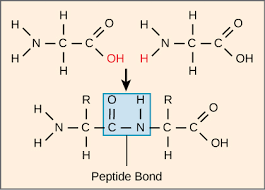
Peptides are short chains of amino acids, and amino acids are the building blocks that also make up proteins. In simple terms, a peptide is a smaller, more specific molecule than a full protein, and peptides can act as signaling molecules, structural pieces, or active ingredients in scientific and medical contexts. In the scientific literature, peptides are commonly described as chains of roughly 2 to 50 amino acids, though exact definitions can vary by source.
For Canadian buyers, the most important thing to understand is that “peptides” is a broad term. Some peptides are used in research, some are found naturally in the body, and some are regulated as drugs when they are marketed for treatment or prevention purposes. In Canada, Health Canada states that drugs offered for sale to treat or prevent disease are regulated as drugs, and only health products authorized for sale may be advertised in Canada.google
Peptides in plain language
The easiest way to understand peptides is to think of them as short biological messages. Cells use many peptides to communicate, regulate activity, and support normal body processes. Because they are smaller than proteins, peptides can be designed or studied for very specific purposes, which is why they appear in nutrition research, biotechnology, cosmetics, and pharmaceuticals.
That “specific purpose” part is what makes peptides interesting. In one setting, a peptide may be discussed as a laboratory material. In another setting, it may be part of a regulated drug product. In a third setting, it may appear in a cosmetic or ingredient discussion where the claims are limited to how the product is presented. So when someone says “peptide,” the real question is not just what the molecule is, but how it is being used and how it is regulated.
That distinction matters because the same word can mean very different things depending on the context. A peptide in a research paper is not the same thing as a peptide marketed to consumers for body changes, and it is not the same thing as a peptide ingredient in a cosmetic. Understanding the context is the first step to reading any product page or article with confidence.
Why people talk about peptides so much
Peptides get attention because they sit at the intersection of biology, medicine, and product development. Researchers study them because they can interact with the body in precise ways. Product developers study them because they can be useful in pharmaceuticals, diagnostics, and other specialized applications. Consumers hear about them because they are often discussed in connection with wellness, recovery, or appearance-related trends online.
That popularity also creates confusion. Online marketing often uses peptide-related language in a way that sounds scientific but does not explain what the product actually is. Health Canada has specifically warned about unauthorized injectable peptide drugs sold online and has noted that these products are often promoted for anti-aging, weight loss, bodybuilding, athletic performance, injury recovery, sleep, mental focus, or general wellness.
For Canadian shoppers, this means a careful reading of the product page is essential. A credible page should clearly explain what the item is, whether it is a research product or a regulated health product, and whether there is any authorization or documentation available. The more vague the wording, the more important it becomes to slow down and verify details before buying.
How peptides differ from proteins
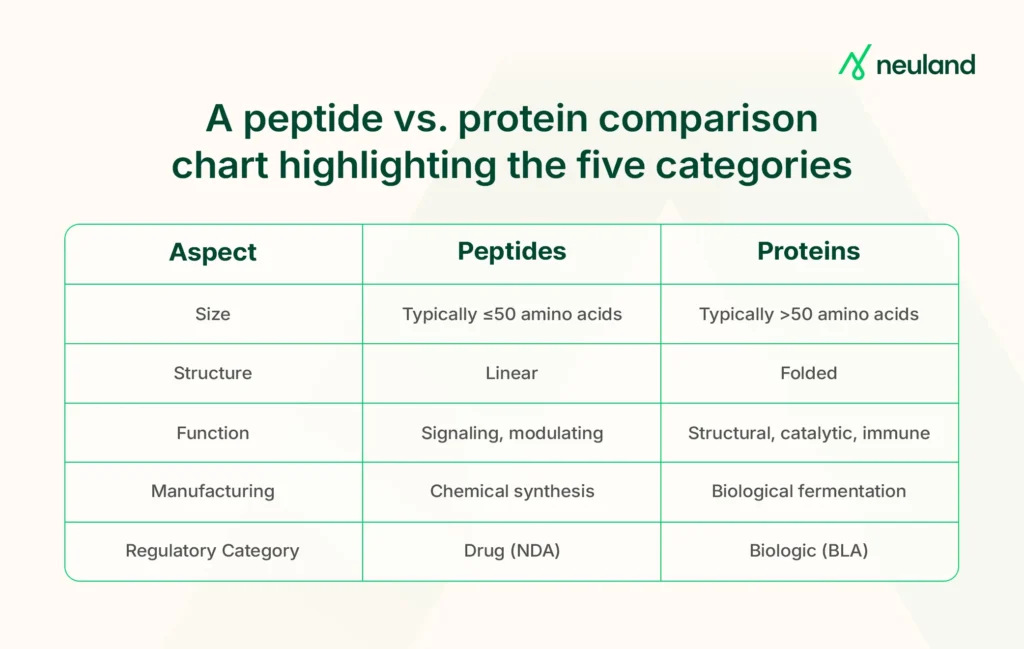
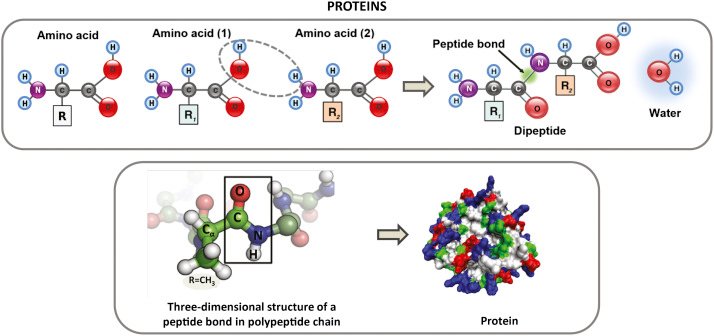
Peptides and proteins are related, but they are not identical. Proteins are generally larger and more complex, while peptides are shorter chains of amino acids. Many educational sources describe peptides as shorter chains and proteins as longer, folded structures that can perform complex jobs in the body.
That difference matters because size often affects function. Smaller peptides may act as signals or messengers, while larger proteins may have structural or enzymatic roles. In practical terms, that is why peptide science can be both highly technical and highly commercial. A tiny change in sequence or structure can change how a molecule behaves, where it is studied, and how it is regulated.
You do not need to become a biochemist to browse peptide information intelligently. What you do need is a basic habit: always ask what the product is, what it is intended for, and whether the claims match the way it is being sold. That habit will help you separate useful information from marketing language.
Peptides in research, medicine, food, and cosmetics
Peptides show up in several different industries. In research and drug development, they are studied because they can be engineered for very specific biological activity. In nutrition, certain naturally occurring peptides are studied for their properties in food systems and metabolism. In cosmetics, ingredients may be discussed in terms of appearance or product feel, but the claims must stay within the cosmetic framework.
This variety is one reason the word “peptide” gets used so broadly online. One blog may be discussing peptide science in a laboratory setting, while another may be talking about a topical cosmetic ingredient, and another may be selling a product as if it were a health solution. Those are very different categories, and they should not be treated as the same thing.
For a Canadian audience, the best rule is simple: read the category before reading the hype. If a product page is focused on lawful labeling, ingredient or material details, documentation, and clear product scope, that is a better sign than a page full of dramatic promises. Health Canada’s advertising rules are built around preventing false, misleading, or deceptive promotion, and the regulator tracks health product advertising incidents for that reason.
What Canadian buyers should know
Canada treats health products seriously. Before a drug product can be sold, Health Canada reviews it for safety, efficacy, and quality. Health Canada also states that only health products authorized for sale may legally be advertised in Canada.
That is especially important in the peptide space because Health Canada has issued public warnings about unauthorized injectable peptide drugs sold online. These warnings explain that injectable peptides are regulated as prescription drugs in Canada and that unauthorized products have not been assessed for safety, efficacy, and quality.
This does not mean every page that mentions peptides is a problem. It means the site must be very clear about what it sells, what the product is for, and what claims are not being made. A responsible Canadian-facing website should avoid suggesting that a product treats disease, causes weight loss, boosts athletic performance, or produces anti-aging results unless those claims are specifically authorized for that exact product.
How to read a peptide product page
A good product page should answer a few basic questions immediately. What is the item? Is it for research, education, or another clearly described purpose? What format is it in? What documentation is available? What storage information is provided? The more directly a page answers those questions, the easier it is for a buyer to make a sensible decision.
Look for specific information rather than vague branding. Useful details often include product name, batch or lot information, testing references where available, packaging size, storage instructions, and a clear description of the item’s category. A page that avoids details and relies only on sweeping promises deserves more caution.
You should also pay attention to how the product is described. If the wording sounds like medical advice, treatment advice, or guaranteed outcomes, that is a red flag. Health Canada’s guidance emphasizes that health product promotion must not be false, misleading, or deceptive, and unauthorized products are a major focus of enforcement.
What documentation should look like
Documentation matters because it helps separate a serious product listing from a loose marketing page. Depending on the product type, documentation may include batch information, test results, ingredient or material descriptions, or other supporting records. For drug products, Health Canada reviews safety, efficacy, and quality before sale, and that standard is one reason documentation is so important in regulated categories.
A buyer should not assume that “documented” always means “authorized.” A product may have a certificate, label, or test reference without being authorized for the purpose implied by the marketing. That is why the actual wording on the page matters as much as the documentation itself.
For a Canadian site, the best practice is to present documentation in a plain, easy-to-read way. If you are building a product page, make the documentation visible, label it clearly, and avoid burying it beneath promotional language. Clear presentation builds trust and makes it easier for the user to understand what they are seeing.
Why “research” wording must be handled carefully
The phrase “research peptide” is often used online, but it does not automatically make a product safe, compliant, or outside drug rules. What matters is how the product is actually sold and what claims are attached to it. If a product is promoted for treatment, prevention, or other health outcomes, it can fall into drug regulation even if it is described casually elsewhere.
This is one reason clear site architecture matters. A page that explains a product as a research material should stay consistent with that description. A page that shifts into outcome language, body transformation language, or medical-sounding language can quickly become confusing or risky. Health Canada’s enforcement actions around unauthorized online sales show that this is not just a theoretical issue.
For readers, the takeaway is straightforward: do not rely on category names alone. Read the product description, the specifications, and any legal or regulatory notices attached to the page. That simple habit can prevent a lot of misunderstanding.

Common misunderstandings about peptides
One common misunderstanding is that all peptides are “supplements” or “wellness products.” That is not true. Peptides can be found in different contexts, and some are regulated as drugs in Canada depending on how they are marketed and used.
Another misunderstanding is that scientific-sounding language automatically means a product is credible. It does not. A page can use technical terms and still be misleading. That is why Health Canada focuses on misleading or deceptive advertising, not just on whether a product description sounds advanced.
A third misunderstanding is that online availability equals legality. Health Canada’s warnings about unauthorized injectable peptide drugs show the opposite: products can be widely advertised online and still be unauthorized or illegal to sell in Canada.
A practical way to think about peptides
If you are new to the subject, the best mindset is curiosity plus caution. Curiosity helps you learn what peptides are, how they are structured, and why they matter in biology and product development. Caution helps you avoid taking a product page at face value when the claims are bigger than the evidence or the legal status.
A smart Canadian buyer does not need to memorize every peptide name. Instead, focus on the basics: what the item is, what category it belongs to, what documentation is shown, and whether the claims match the product type. If those answers are clear, the page is easier to trust. If they are not clear, keep looking.
That approach is especially important online, where the same term can be used in research, commerce, cosmetic labeling, and health-product marketing. The more a website helps the reader understand that distinction, the more useful and trustworthy it becomes.
Final thoughts
Peptides are short chains of amino acids with important roles in biology, research, and product development. For Canadian buyers, the key is not just knowing the definition, but understanding context, regulation, and product presentation. Health Canada requires that authorized products be treated carefully in advertising, and it has repeatedly warned about unauthorized injectable peptide drugs sold online.
If you are building or visiting a peptide website in Canada, focus on clarity first. Look for specific product details, visible documentation, plain language, and careful wording. That is the best way to avoid confusion and make informed decisions.